The Complete Guide to Corporate Event Video Production in Southern California
Most companies book a videographer and get one recap. Here's how the same shoot becomes a month of content your leadership team actually uses.
Most companies book a videographer and get one recap. Here's how the same shoot becomes a month of content your leadership team actually uses.
Here's the pattern I see on almost every corporate event.
Someone books "a videographer." A camera shows up, films the keynote, and three weeks later you get a two-minute recap with upbeat music. It's fine. You post it once. It gets a few hundred views. Then it sits in a folder forever.
That's not video production. That's a souvenir.
The events that get real mileage out of their footage treat the shoot differently. They walk in knowing one day of filming should produce a recap film, a leadership reel, a highlight reel, and weeks of social cuts. Same crew. Same day. Many assets. That's the whole game, and most planners have never been shown how it works.
So let's walk through it.
In 2026, 91% of businesses use video as a marketing tool and 82% say it delivers a good return, according to Wyzowl's Video Marketing Statistics 2026 (Wyzowl, Video Marketing Statistics 2026). Corporate event video production is the work of capturing a live event and turning it into a set of finished videos: documentation, storytelling, and social content from a single shoot.
Most teams lump it all under "video." It helps to separate the deliverables, because each one does a different job:
One crew can capture all of it in the same day. The difference between getting one recap and getting this entire stack is almost never the camera. It's whether someone planned the coverage before load-in. Our corporate video production team builds the shot list around the deliverables you want, not the other way around.
Real talk: if your video plan is "we'll have someone film it," you've already capped what you can publish.
Because short videos hold attention and long ones lose it. Vidyard's 2025 Video in Business Benchmark Report found that 65% of viewers finish videos under one minute, while only 20% finish videos over 20 minutes (Vidyard, 2025 Video in Business Benchmark Report). A single long recap fights that math. A library of short, specific clips works with it.
There's a second reason, and it's the one most event-video companies never mention: the footage keeps working after the room empties. Wistia's 2026 State of Video Report found that a third of webinars still pull plays three months after the live event (Wistia, 2026 State of Video Report). Your event isn't a one-day spend. It's a content library with a long tail.
So think in cost per asset, not cost per shoot. If one day of filming produces a dozen finished pieces you publish over a quarter, the economics look very different from a single recap. That's the math we walk clients through, and it's where content creation and post-event editing turns a fixed shooting budget into months of output.
Your event isn't a one-day spend. It's a content library with a long tail, if someone planned for it.
Mostly on LinkedIn, and increasingly as short vertical video. Socialinsider's 2026 LinkedIn benchmark, built on 1.3 million posts, found video posts average 6% engagement by impressions, third of seven formats and up 7% year over year (Socialinsider, LinkedIn Organic Benchmarks 2026). LinkedIn's own numbers, reported by Digiday, show total video viewership up 36% year over year (Digiday, LinkedIn video growth, January 2025).
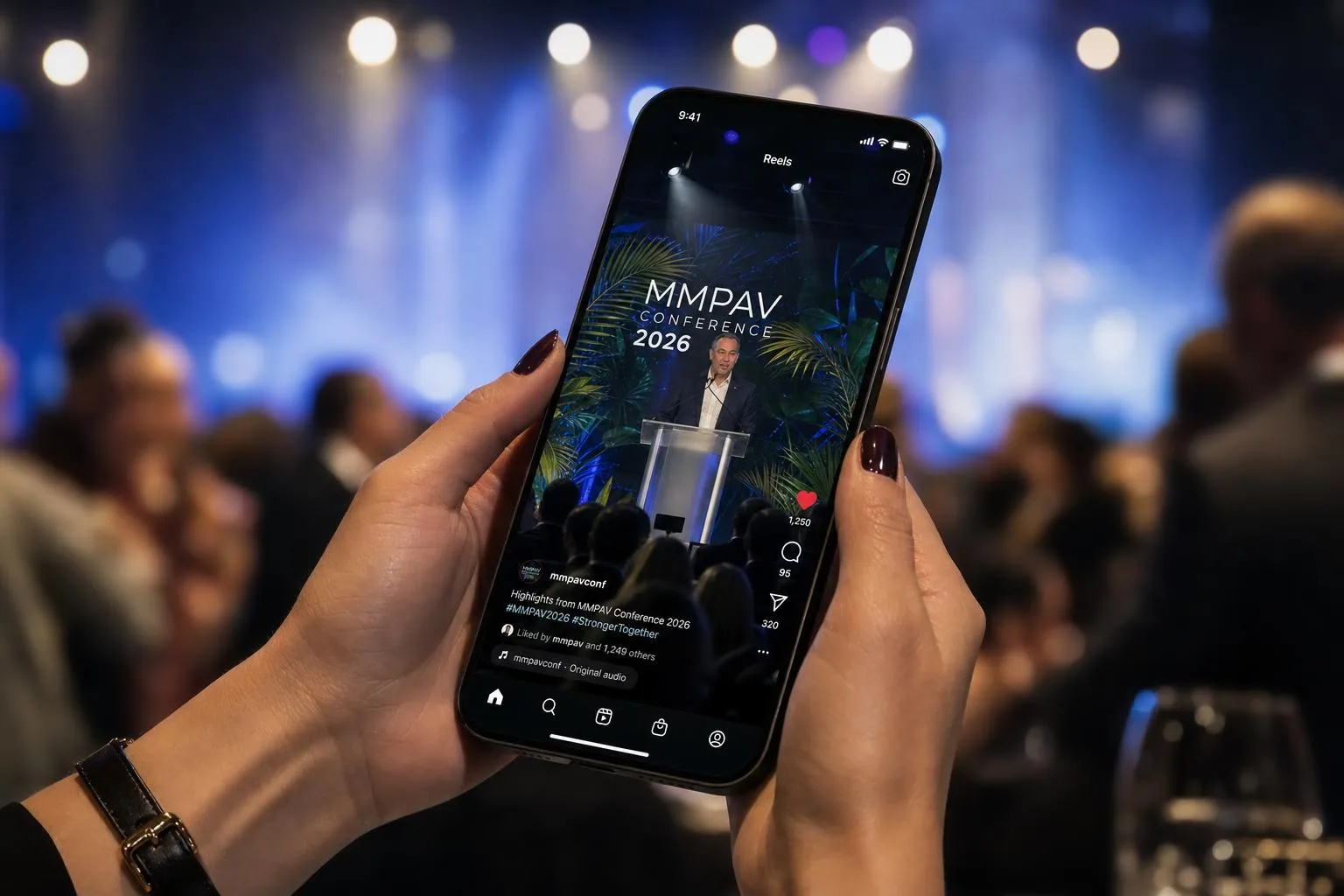
Here's the move: cut for the platform, not just the archive. The same keynote that becomes a polished recap should also become six to ten vertical clips your team posts the week of the event. That's where the reach is, and it's the part most "we filmed it" packages skip entirely.
More than it used to, because companies are betting bigger on events. In Bizzabo's State of Events 2025, 66% of organizers planned to schedule more events and 53% expected their event budget to increase (Bizzabo State of Events 2025, via MarketingProfs). If you're spending more to put people in a room, the footage from that room is worth protecting.
I won't quote you a flat rate here, because real coverage is scoped to your event. A single-stage half-day needs a different crew than a three-day conference with breakouts. But the budgeting principle is simple: decide your deliverables first, then size the crew and shooting hours to hit them. Working backward from "what do we want to publish" almost always costs less than over-filming and hoping it's useful in the edit.
For how video fits alongside staging, lighting, and AV in a full production budget, see our breakdown of corporate event production costs in Orange County.
After 28 years of producing corporate events, I can tell you the gap between a great event video and a forgettable one usually comes down to four things. Steal this for your next vendor conversation.
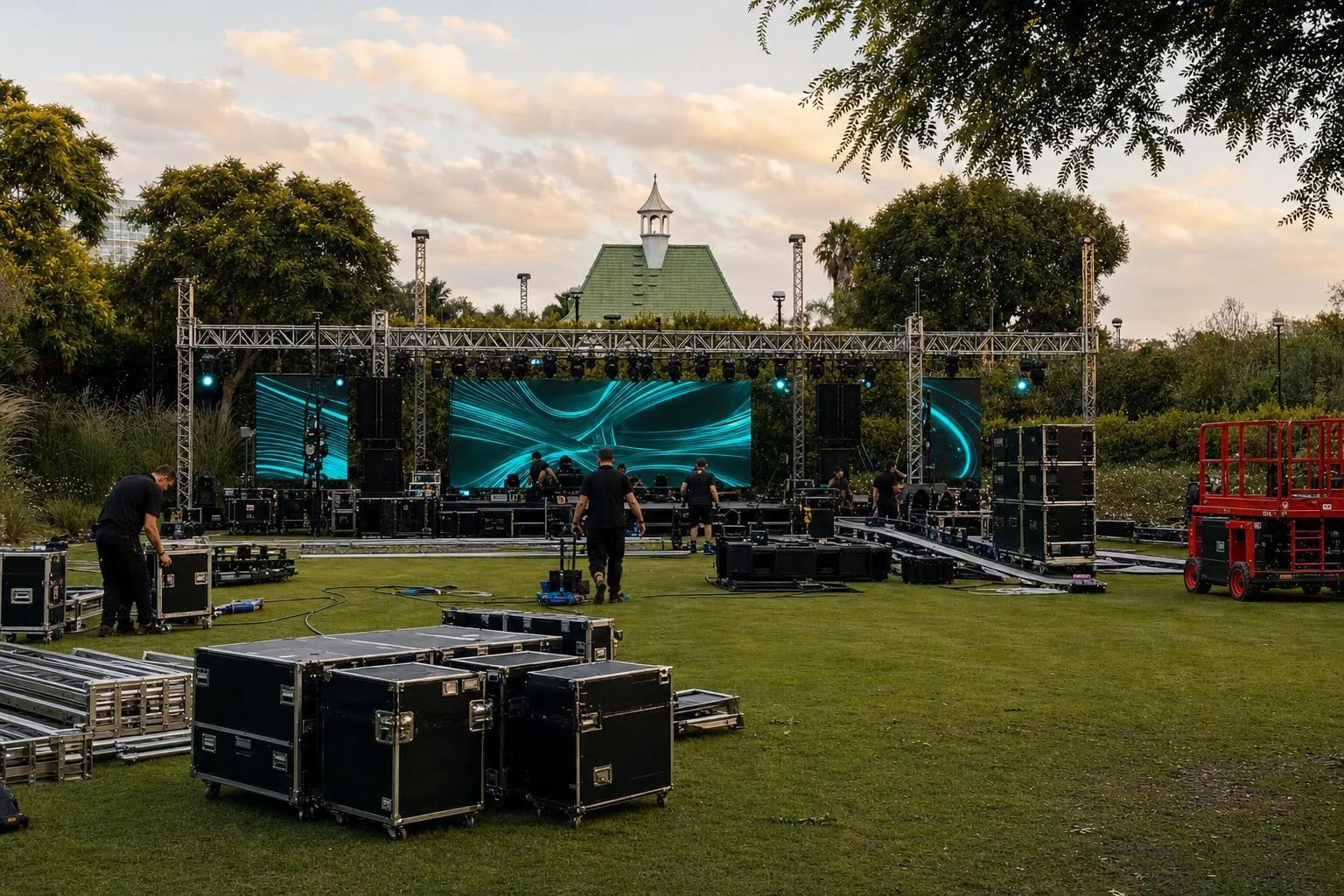
When the same team runs your AV, lighting, and cameras, the video looks better because the lighting was built for camera and the audio comes off the board clean. Separate vendors point fingers. One crew owns the result.
Ask any team what you'll receive and when, before they quote. If the answer is vague, the footage will be too. A real plan names the recap, the reels, and the number of social cuts up front.
The clips that travel are the ones posted while the event is still a conversation. A team that can turn around vertical cuts within days, not weeks, is worth more than one that delivers a beautiful film a month late.
As AI-generated video floods every feed, authentic footage of real people on a real stage gets more valuable, not less. The one thing a generator can never fake is the energy in your actual room. That's the asset you're paying to capture.
We'll plan the coverage around the videos you actually want to publish, recap, reels, and a month of social, before anyone touches a camera.
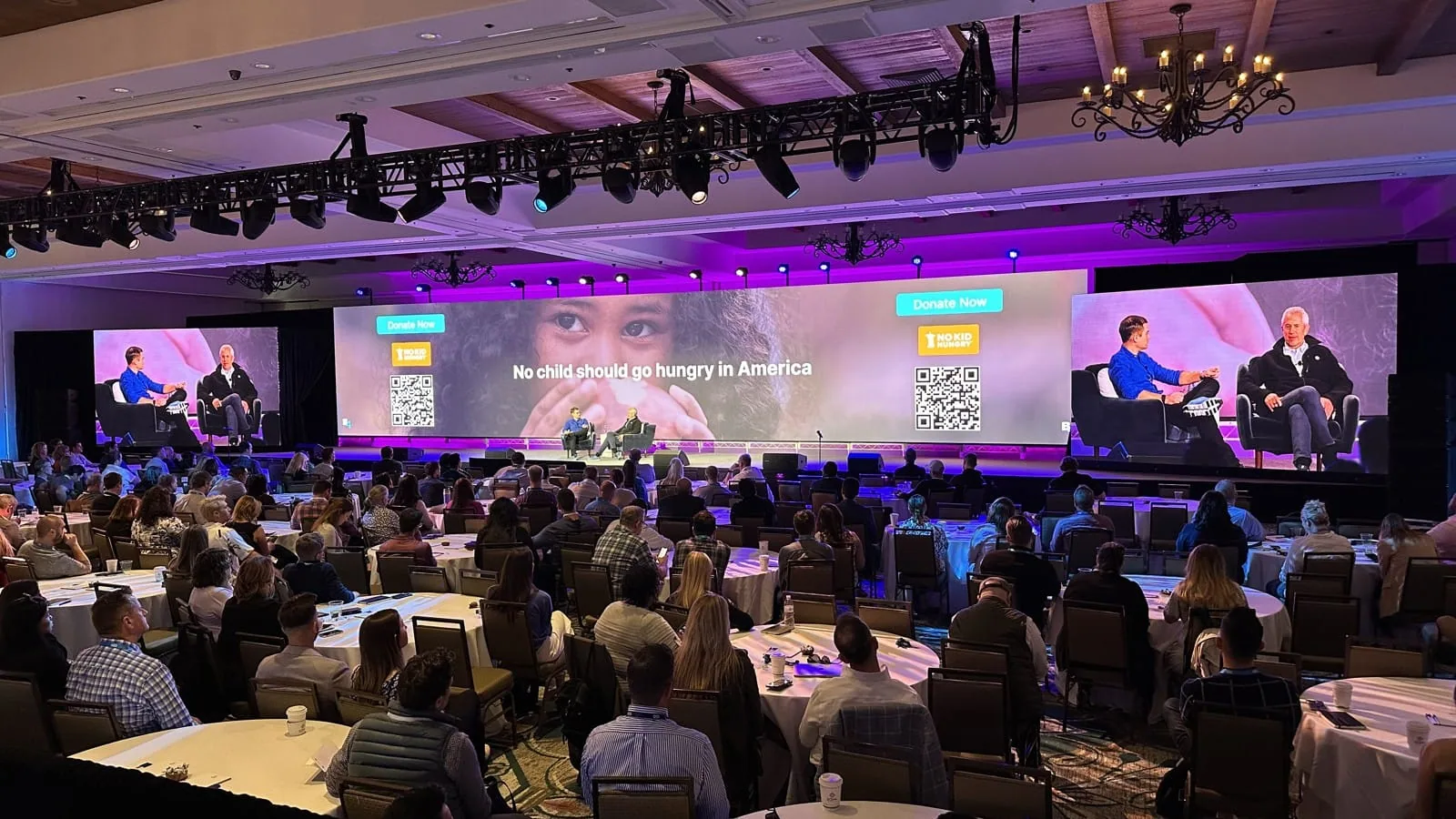
See How We Plan Video Coverage →Event coverage documents what happened: the keynote, the room, the energy. A brand video uses that footage plus interviews and B-roll to tell a story with a point of view. Most corporate events need both, captured by the same crew in one shoot so the footage serves documentation and storytelling at once.
A single shoot typically yields a recap film, one or two leadership or speaker reels, a highlight reel, and eight to twelve vertical social cuts, plus raw interview footage that can seed a video podcast series. The number depends on how many cameras and interviews you plan before load-in, not after.
Yes, because the footage outlives the day. Wistia's 2026 State of Video report found a third of webinars still get plays three months after they air, and short clips hold attention far better than long ones. One day of filming becomes content you publish for the next quarter.
Plan for both. Capture the main stage in widescreen for the recap and brand film, and shoot or reframe key moments vertically for LinkedIn, Instagram, and TikTok. Socialinsider's 2026 LinkedIn benchmark shows video averaging 6% engagement by impressions, so same-week vertical cuts are where most B2B reach happens.
Plan video before you finalize the run of show, not the week of the event. Camera positions, interview slots, and lighting all depend on the agenda. The earlier a video team sees the schedule, the more usable footage you get from the same shooting hours.
You don't need a bigger video budget. You need a better plan for the one you have.
The companies getting real value from event video aren't spending more on cameras. They're walking in with a list of what they want to publish, hiring one crew that can capture all of it, and treating the footage as a library they'll draw from for months. That's the whole difference.
So before your next event, ask the simple question nobody asks the videographer: "What will I actually be able to post, and when?" If you can answer that before load-in, you're already ahead of almost everyone.
And if you want help building that plan, that's exactly what we do.
15-minute call. No pitch. Just a conversation about your event and everything you could walk away with.
Let's Talk →Currently accepting Spring 2026 events