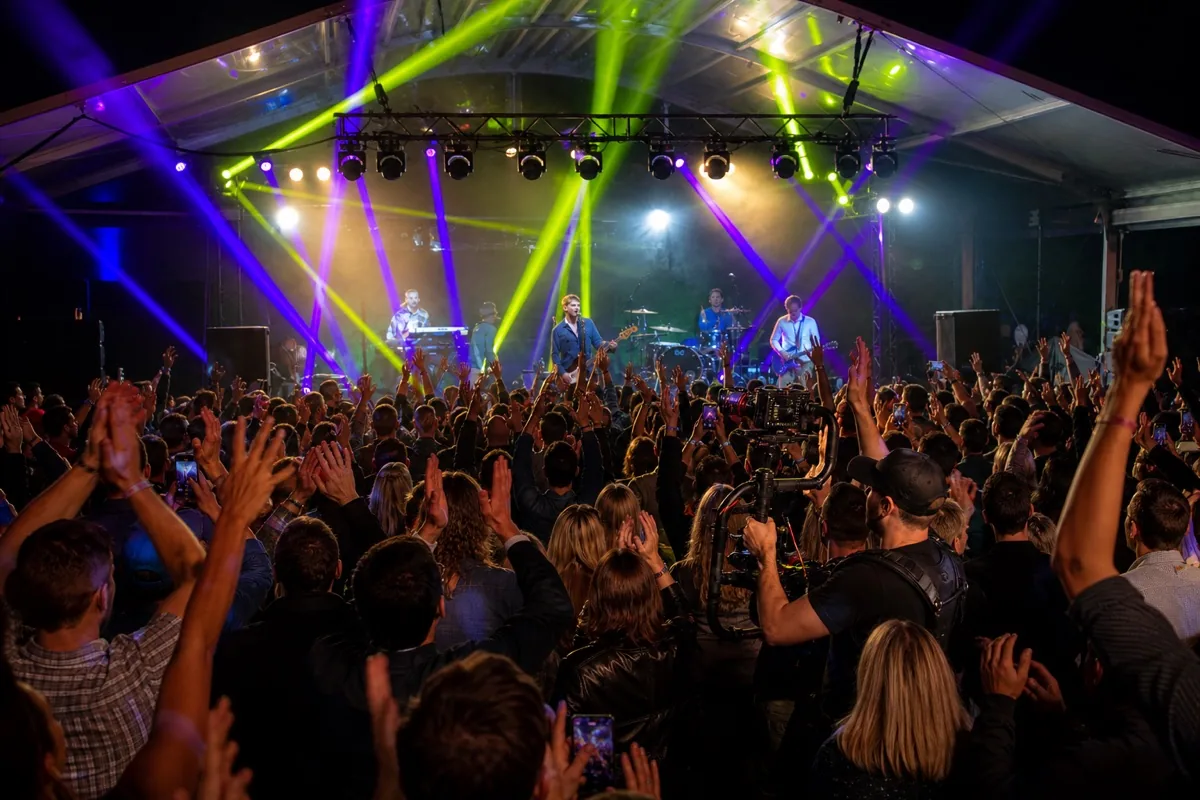
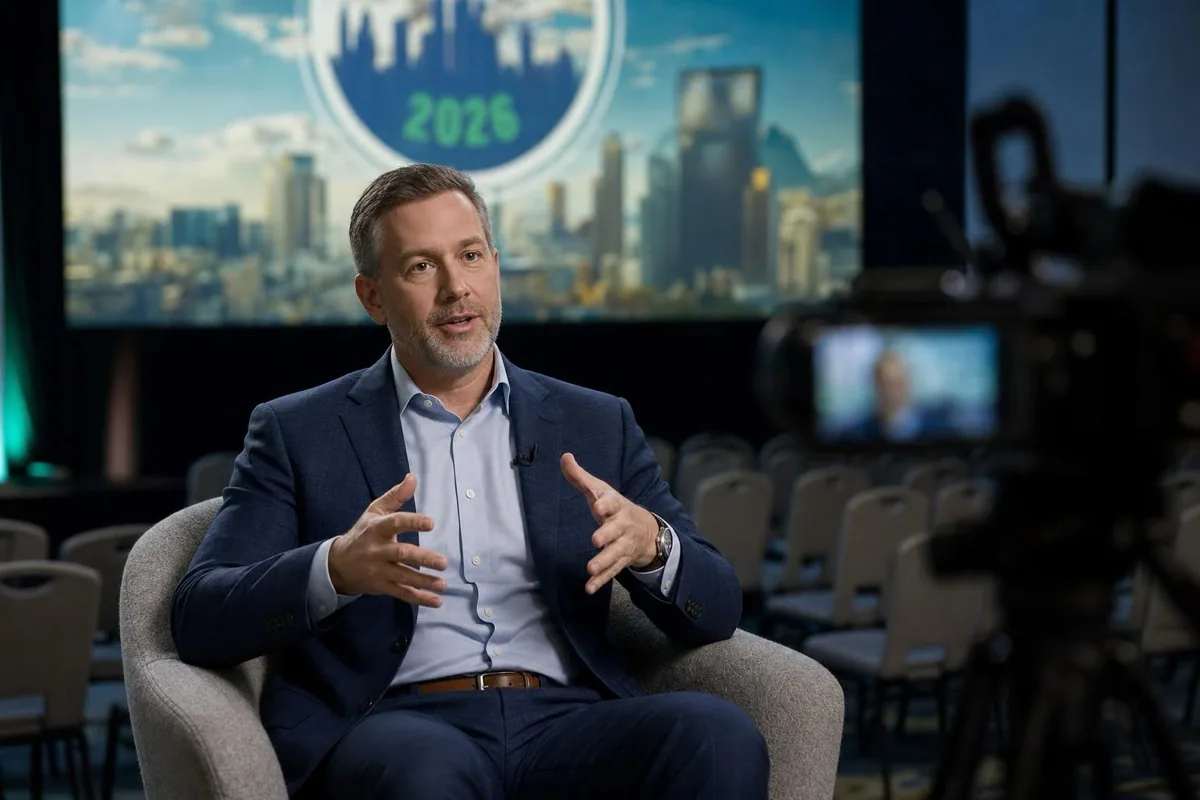
One Event, Many Videos: How One Shoot Becomes a Month of Content
The expensive part is paid once. Here's how a single event shoot turns into a brand film, a recap, and weeks of social.
The expensive part is paid once. Here's how a single event shoot turns into a brand film, a recap, and weeks of social.
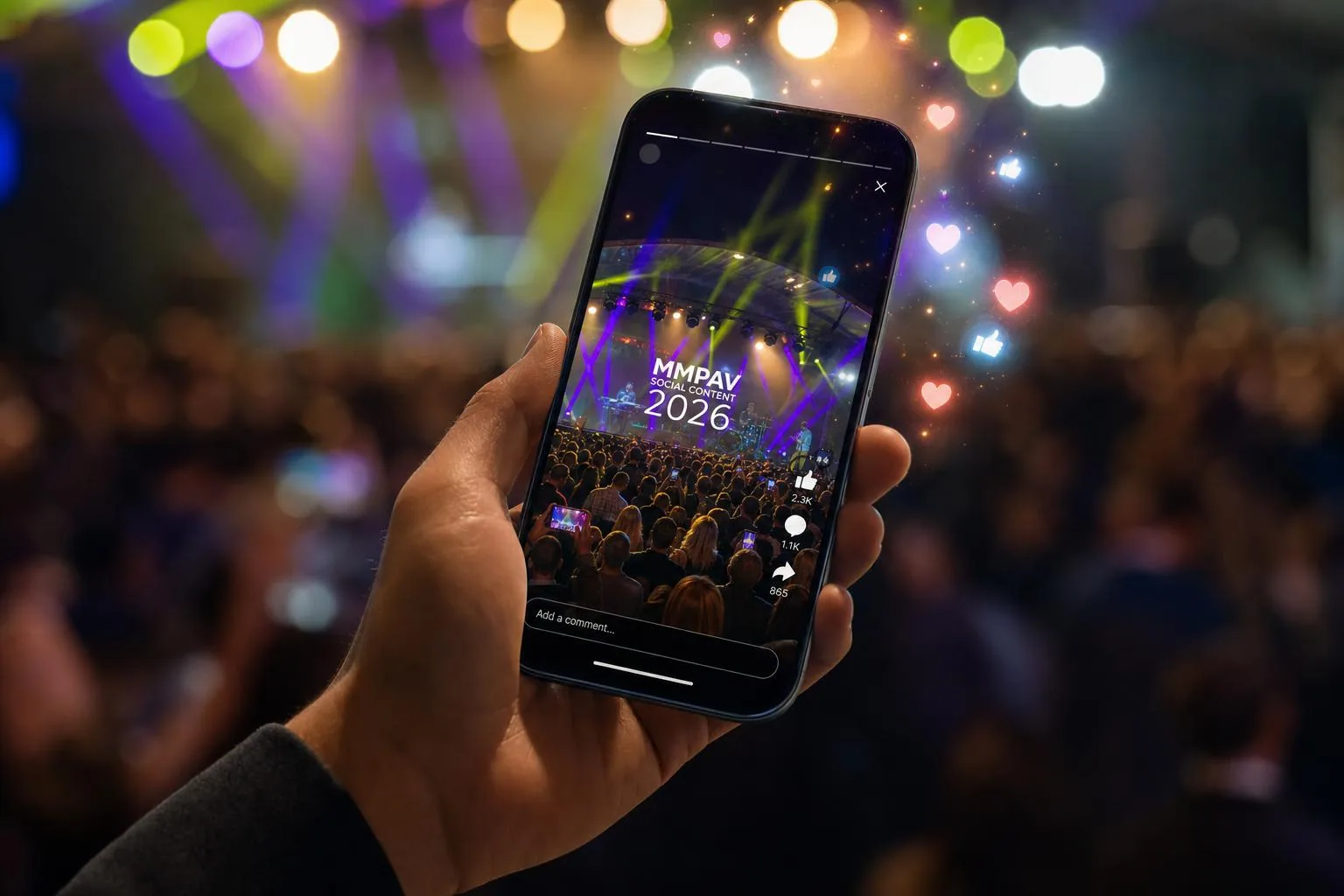
I watched a marketing director do the math in real time once, and it stopped her cold.
She'd budgeted for "an event video." One camera, one recap, one line item. Then I asked what she actually needed to publish over the next quarter. A brand film for the homepage. A recap for the board. Clips for LinkedIn every week. She'd been planning to pay for all of that separately, in three different briefs, across the year.
All of it was already going to be in the room on event day.
That's the thing almost nobody plans for. The expensive part of video, the crew, the cameras, the lighting, the one day everyone shows up, gets paid for exactly once. What you do with that footage afterward is where one shoot quietly becomes a month of content. Or doesn't, because nobody planned the edit. Let me show you how the multi-format math actually works.
Far more than one, and the data backs it up. Over half of companies already repurpose their video content into social clips, according to Wistia's 2026 State of Video Report (Wistia, 2026 State of Video Report). One multi-camera capture supports a hero brand video, a recap film, and eight to twelve vertical social cuts.
Here's what a single planned shoot typically produces:
[UNIQUE INSIGHT] The number you get out is not capped by the camera. It's capped by editing capacity. The event already produced the footage. The value is throughput: how many finished, platform-correct assets a team can turn around before the moment goes cold. That's the part most "we filmed it" packages never staff for.
Plan the deliverables before load-in and one crew captures the whole stack in a day. That planning is exactly what our content creation and post-event editing work is built around.
Real talk: if your plan is "we'll film it and figure out the edit later," you've already capped what you can publish.
Because you pay the expensive part once. Wistia's 2026 State of Video Report found demand for video rising while budgets stay flat (Wistia, 2026 State of Video Report). The crew, cameras, lighting, and the event day are fixed costs. Spread them across ten or more finished assets and your cost-per-asset drops hard.
[UNIQUE INSIGHT] This is why cost-per-asset is the honest unit, not cost-per-video. A single recap looks expensive on its own. The same shoot, edited into a brand film plus a recap plus a dozen vertical cuts, makes every individual piece cheap. Commissioning those as separate projects means paying a new crew, a new setup, and a new shoot day for each one.
[PERSONAL EXPERIENCE] After 28 years of producing corporate events, the pattern I see is consistent: the teams that win aren't spending more. They walk in with a list of what they want to publish, hire one crew to capture all of it, and treat the footage as a library they'll draw from for a quarter. Same budget, many more assets.
The expensive part of video gets paid for once. What you do with the footage afterward is where one shoot becomes a month of content.
So before you size the budget, decide the deliverables. Working backward from "what do we want to post, and when" almost always costs less than over-filming and hoping the edit saves it. That backward planning is where a fixed shooting budget turns into months of video production output.
They make video constantly and they repurpose it. Wistia's 2026 State of Video Report found 76% of teams make at least one video per month, 81% name LinkedIn their primary place to share video, and over half repurpose footage into social clips (Wistia, 2026 State of Video Report). Vertical HD uploads grew 24% year over year. That's the behavior your event needs to feed.
Read that chart as a job description for your footage. Your team wants something to post most weeks. They want it for LinkedIn first. They want it vertical. One event, edited right, hands them a stack that checks all three boxes for a month or more.
[ORIGINAL DATA] On our own events, a single multi-camera day reliably yields eight to twelve vertical cuts plus the hero and recap, with the first social clips out the same week. The variable is never whether the footage exists. It's whether the edit pipeline was scoped before load-in.
Yes, and the format question is settled. Short-form video is the most-used format among marketers, with roughly 30% of both B2B and B2C marketers using it, per HubSpot's State of Marketing 2026 (HubSpot, State of Marketing 2026). HubSpot also rates short-form the highest-ROI content format. For B2B, that short-form mostly lives on LinkedIn.
That's the part people miss. Eight in ten teams name LinkedIn their primary place to share video, per Wistia 2026 (Wistia, 2026 State of Video Report). [UNIQUE INSIGHT] B2B distribution has consolidated onto LinkedIn, and LinkedIn's feed is increasingly vertical. So a 9:16 cut isn't a TikTok-only stunt. It's the native unit of the B2B feed your buyers already scroll.
Which means the vertical clips from your event aren't a consolation prize next to the polished film. For reach, they're often the main event. The recap impresses the board. The vertical cuts are what actual prospects see.
We'll plan the deliverables around what you want to publish, a brand film, a recap, and a month of vertical social, before anyone touches a camera.
See How We Plan Content →Same week, if the pipeline was planned. Wistia's 2026 State of Video Report found 76% of teams publish at least one video a month (Wistia, 2026 State of Video Report). One event can feed several weeks of that cadence on its own, with the first vertical cuts out while the room is still buzzing.
Speed matters more than polish for the social cuts. The clip that travels is the one posted while the event is still a conversation, not the gorgeous film that lands a month later. [PERSONAL EXPERIENCE] We've found the same-week cuts consistently outperform the eventual hero film on reach, because the audience is still primed and the algorithm is still feeding the topic.
So the deliverables split naturally by clock. The vertical cuts go out fast, this week, while interest is hot. The hero brand film and the recap take their time and earn their polish, because those keep working for months. One shoot, two speeds, no wasted footage. For how that fits a full event plan, see our complete guide to corporate event video production in Southern California.
Over half of companies already repurpose their video into social clips, per Wistia's 2026 State of Video Report. One multi-camera capture supports a hero brand video, a recap, and eight to twelve vertical social cuts. The constraint is editing time, not source material, because the event already produced the footage.
Yes. Roughly 30% of both B2B and B2C marketers use short-form, making it the most-used video format, per HubSpot's State of Marketing 2026. Eight in ten teams name LinkedIn their primary place to share video, per Wistia 2026. Short-form on LinkedIn is now a core B2B motion, not a TikTok-only afterthought.
The crew, cameras, lighting, and the event day are all paid once. Wistia's 2026 State of Video Report found demand for video rising while budgets stay flat. Spreading one production's fixed cost across ten or more finished assets lowers your true cost-per-asset, which is the honest way to measure event video.
Fast enough to feed a monthly cadence. Wistia's 2026 report found 76% of teams publish at least one video a month, and one event can supply several weeks of that. With a deliverables plan set before load-in, the first vertical cuts can publish the same week, while the event is still a conversation.
Vertical HD is the fastest-growing upload format, up 24% year over year, per Wistia's 2026 State of Video Report. Plan a horizontal hero or recap film for the website and presentations, plus a stack of 9:16 vertical cuts sized for LinkedIn, Instagram Reels, and TikTok feeds.
You don't need a bigger video budget. You need a deliverables list before load-in.
The whole multi-format advantage comes down to one decision made early: name the brand film, the recap, and the number of vertical cuts you want, then hire one crew to capture all of it in a single day. The footage was always going to be in the room. The only question is whether someone planned the edit that turns it into a month of content.
So ask the question almost nobody asks the videographer: "What will I be able to post, and when?" If you can answer that before the cameras roll, you're already getting more from your event than the team that booked "a videographer" and got a souvenir.
And if you want help building that plan, that's exactly what we do.
15-minute call. No pitch. Just a conversation about your event and everything you could walk away with.
Let's Talk →Currently accepting Spring 2026 events