SoCal venues, weather, and accessibility are world-class. The logistics, though, can eat a planner alive if the timeline isn't managed. This is the playbook we'd give a planner who needs to get it right the first time. We'll walk through everything in order: 6 months out to the day after the event.
6 Months Out: Foundation
Define Your Conference Objectives
Before you look at a single venue, answer these questions in writing:
- What's the primary goal? Sales kickoff? Annual all-hands? Customer conference? Industry thought leadership? Each one has different production needs.
- How many attendees? In-person and remote (if hybrid). This drives everything: venue size, AV scope, catering, and budget.
- What's the budget range? Not the exact number - the range. Knowing you're in the $50K-$100K range vs. the $200K-$400K range changes your venue options and production approach fundamentally.
- Is this a one-time event or recurring? Recurring events benefit from venue and vendor relationships that develop over time.
Start Venue Selection
SoCal has more quality corporate venues than almost any other market. That's good and bad - the options are overwhelming. Narrow your search with these filters:
- Location: Orange County (Irvine, Newport Beach, Laguna Beach) is the corporate hub. LA and San Diego are options but add travel friction for OC-based attendees.
- Capacity: Match your headcount plus 15% buffer. Don't cram 500 people into a 500-person room.
- Production capability: Ceiling height, rigging points, power infrastructure, loading dock access. This matters more than the lobby marble.
- AV exclusivity: Find out NOW whether the venue requires you to use their in-house AV. Negotiate outside vendor access into the contract before you sign.
- WiFi pricing: Get event WiFi costs in writing during venue selection, not three weeks before the event.
Visit 3-4 venues with your production partner if possible. They'll catch things the venue's sales tour won't highlight.
Identify Your Core Vendor Team
Start conversations with:
- AV/Production partner - not just a rental company (see our guide on the difference)
- Catering/F&B - usually venue-provided, but confirm flexibility
- Event planner/coordinator - if you're not using in-house planning
- Photographer/videographer - if capturing content for post-event use
The earlier you bring in your production partner, the more input they have on venue selection, which saves money and prevents production compromises later.
4 Months Out: Design
Lock the Venue and Key Vendors
Sign contracts. Pay deposits. Get dates confirmed in writing from every vendor. Verbal commitments are worthless in event production - everything needs a signed agreement and a confirmed date hold.
Design the Conference Agenda
- General sessions: Keynotes, panels, presentations - how many days, how many sessions per day?
- Breakout sessions: How many rooms? What AV/tech does each room need?
- Networking events: Receptions, dinners, activities - these have production needs too (lighting, audio, ambiance)
- Hybrid components: Which sessions are streaming? What's the virtual attendee experience?
Share the draft agenda with your production partner immediately. They'll flag sessions that need additional equipment, crew, or setup time.
Begin Production Design
Your production partner should be working on:
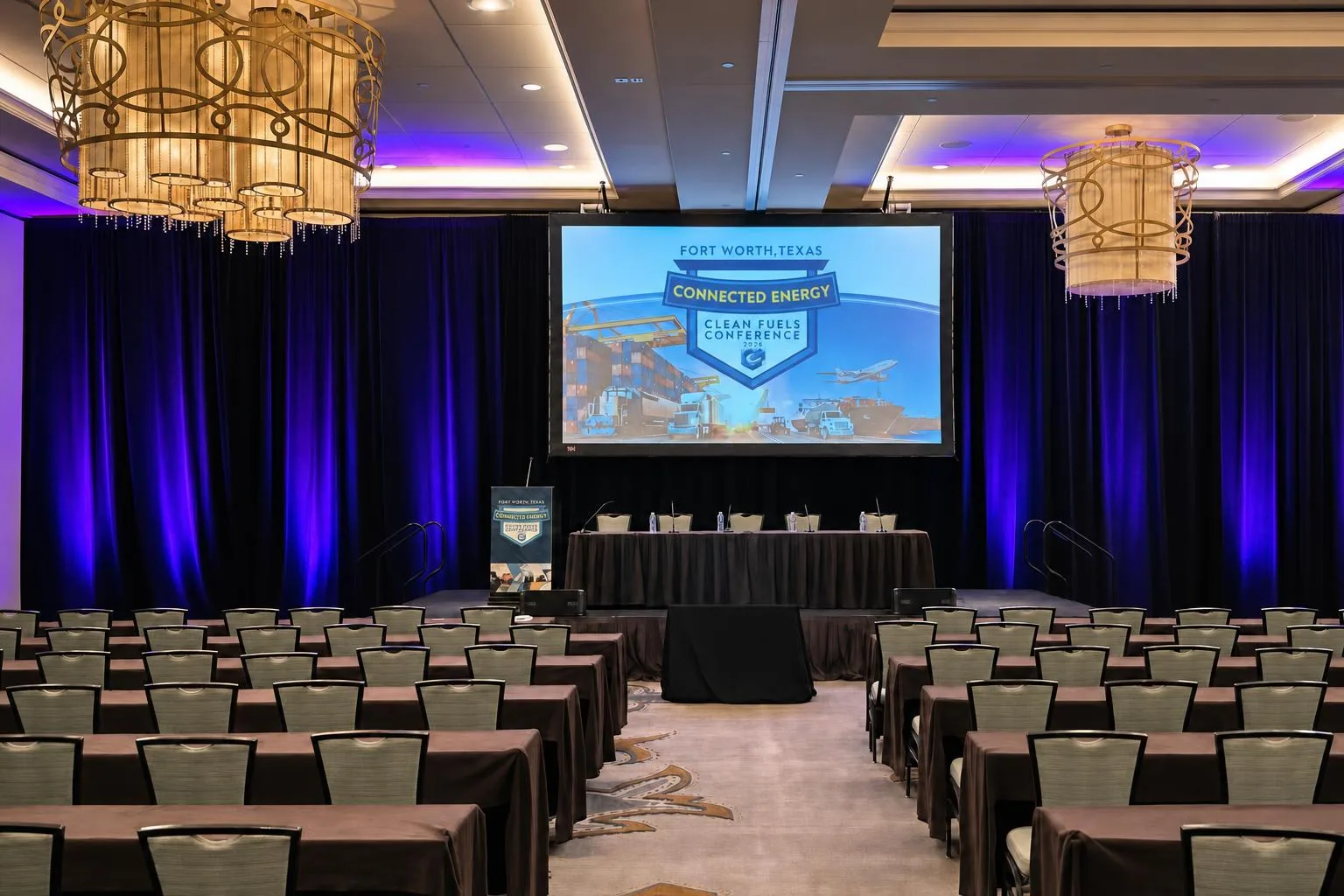
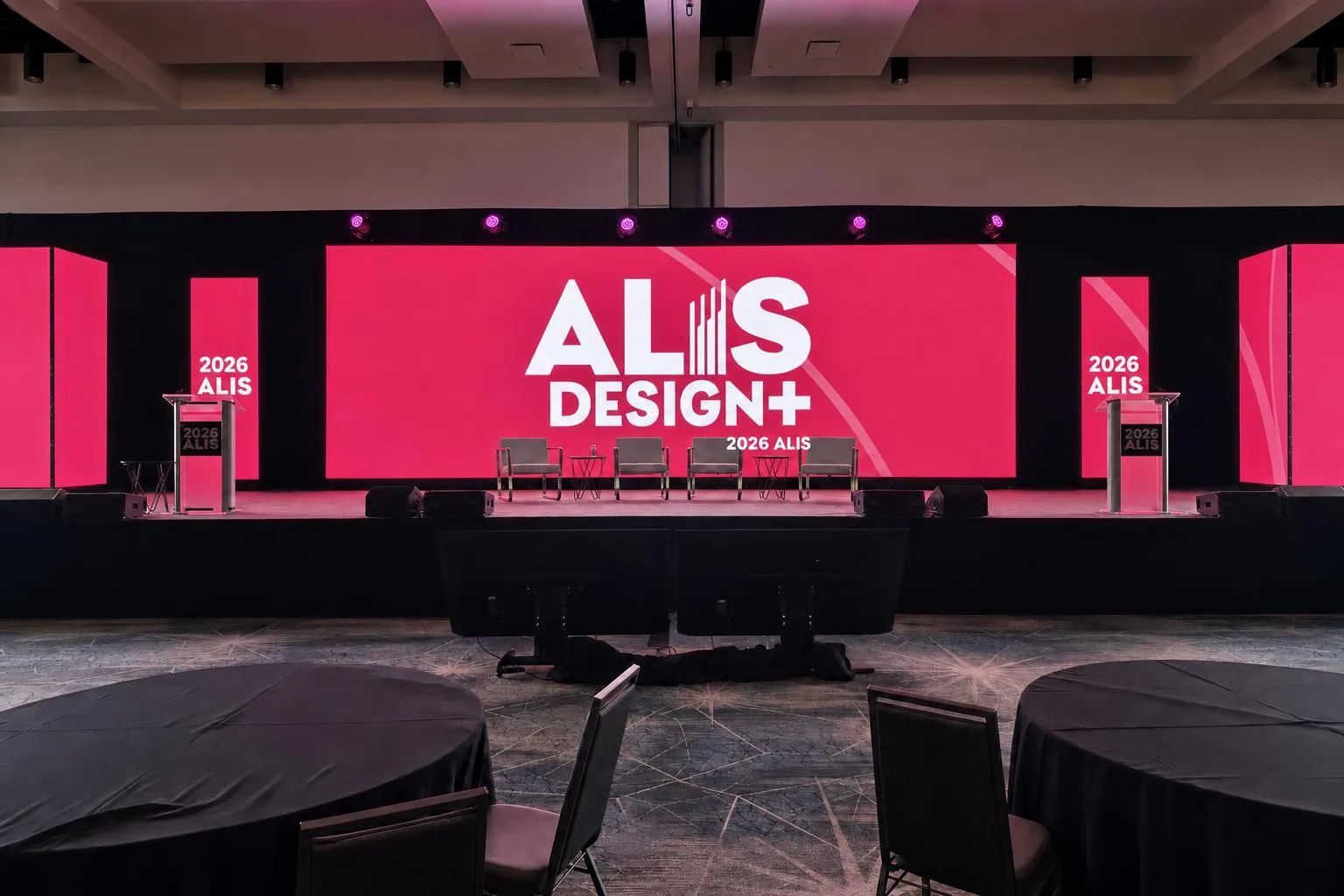
- Stage design and LED wall configuration for the main stage
- Audio coverage plan (main room + breakouts)
- Lighting design based on the room and program flow
- Network/WiFi plan (venue WiFi or private network?)
- Camera positions (if multi-camera video or streaming)
- Power requirements and load-in timeline
2 Months Out: Execution Prep
Finalize All Technical Specifications
- Lock speaker count and presentation formats (slides, video, live demos)
- Confirm streaming platform and registration for virtual attendees
- Finalize breakout room AV requirements
- Submit production technical rider to venue (power, rigging, load-in times)
- Order any custom scenic elements, signage, or branded materials
Handle Logistics
- Hotel room blocks: If attendees are traveling, secure room blocks at the venue or nearby properties
- Transportation: Airport shuttles, event-day transportation between venues
- Attendee registration: Platform selection, badge printing, check-in flow
- Catering: Final menu selections, dietary accommodations, service style (plated vs. buffet vs. stations)
- Sponsor coordination: Booth spaces, signage, branded content for screens
2 Weeks Out: Final Prep
Production Rehearsal and Walk-Through
Critical step that many planners skip. Schedule a walk-through with your production partner, venue coordinator, and key stakeholders:
- Walk every space: general session, breakouts, registration, networking areas
- Confirm load-in schedule and crew call times
- Review cue sheets for each session (who walks on when, what lighting/audio changes happen)
- Test streaming platform end-to-end if hybrid
- Confirm all speaker presentations are collected and formatted
Finalize Day-Of Communication Plan
- Distribute contact sheets to all vendors (production, catering, venue, security)
- Establish communication channels (group text, Slack, walkie-talkies for production team)
- Create minute-by-minute run-of-show document
- Brief all staff and volunteers on roles and escalation procedures
Event Week: Execution
Load-In Day (Usually Day Before)
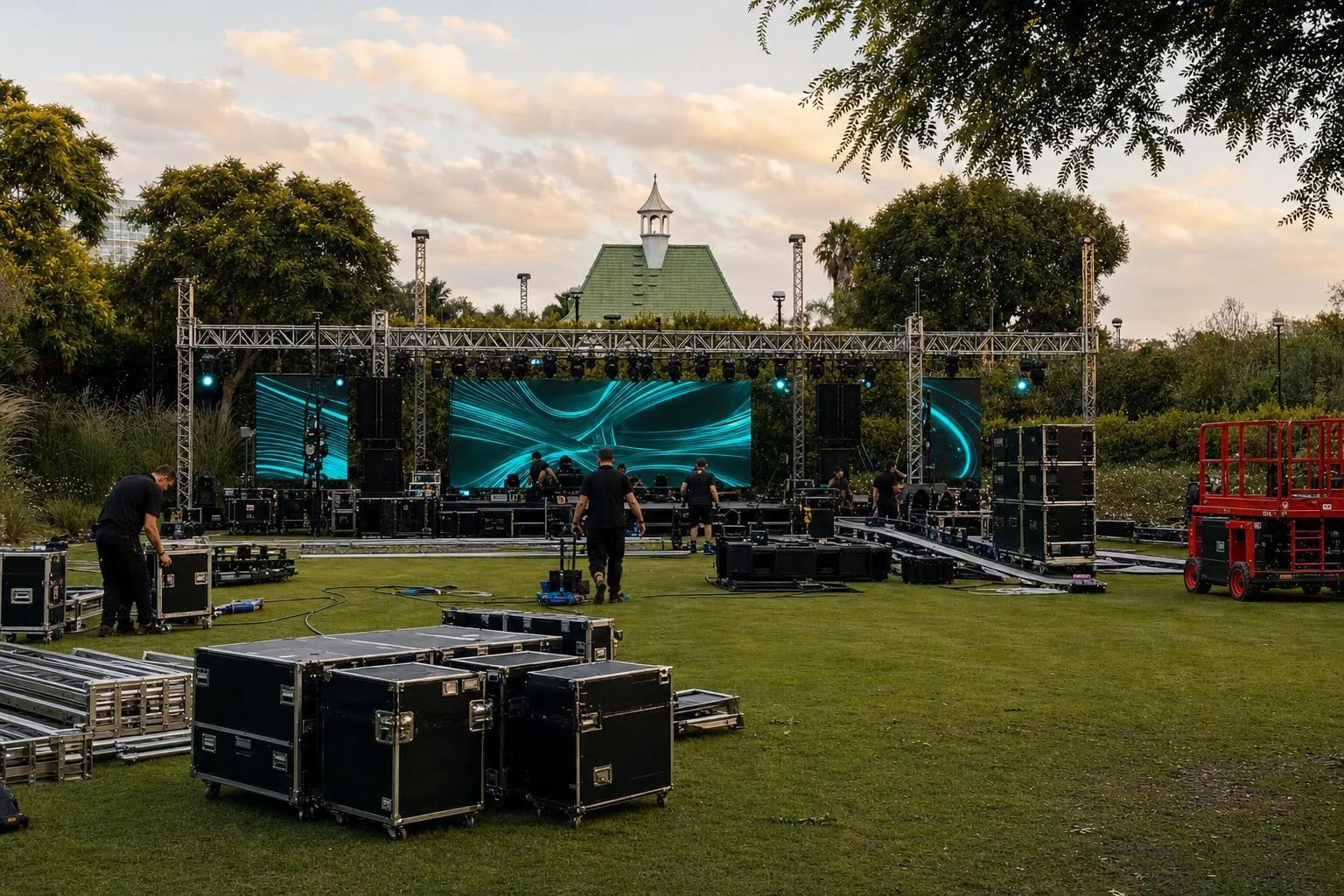
Your production crew arrives first. Typical timeline for a full conference production:
- 6:00 AM: Trucks arrive. Equipment staging area established.
- 7:00-12:00: Rigging, LED wall build, truss hang, audio install
- 12:00-3:00: Lighting focus, video system integration, network deployment
- 3:00-5:00: System testing, audio check, lighting programming
- 5:00-7:00: Speaker rehearsals, streaming test, final walk-through
The planner's job during load-in: stay available for decisions, stay out of the way for execution. Trust your production team to do their work. Check in at each milestone, don't hover.
Event Day
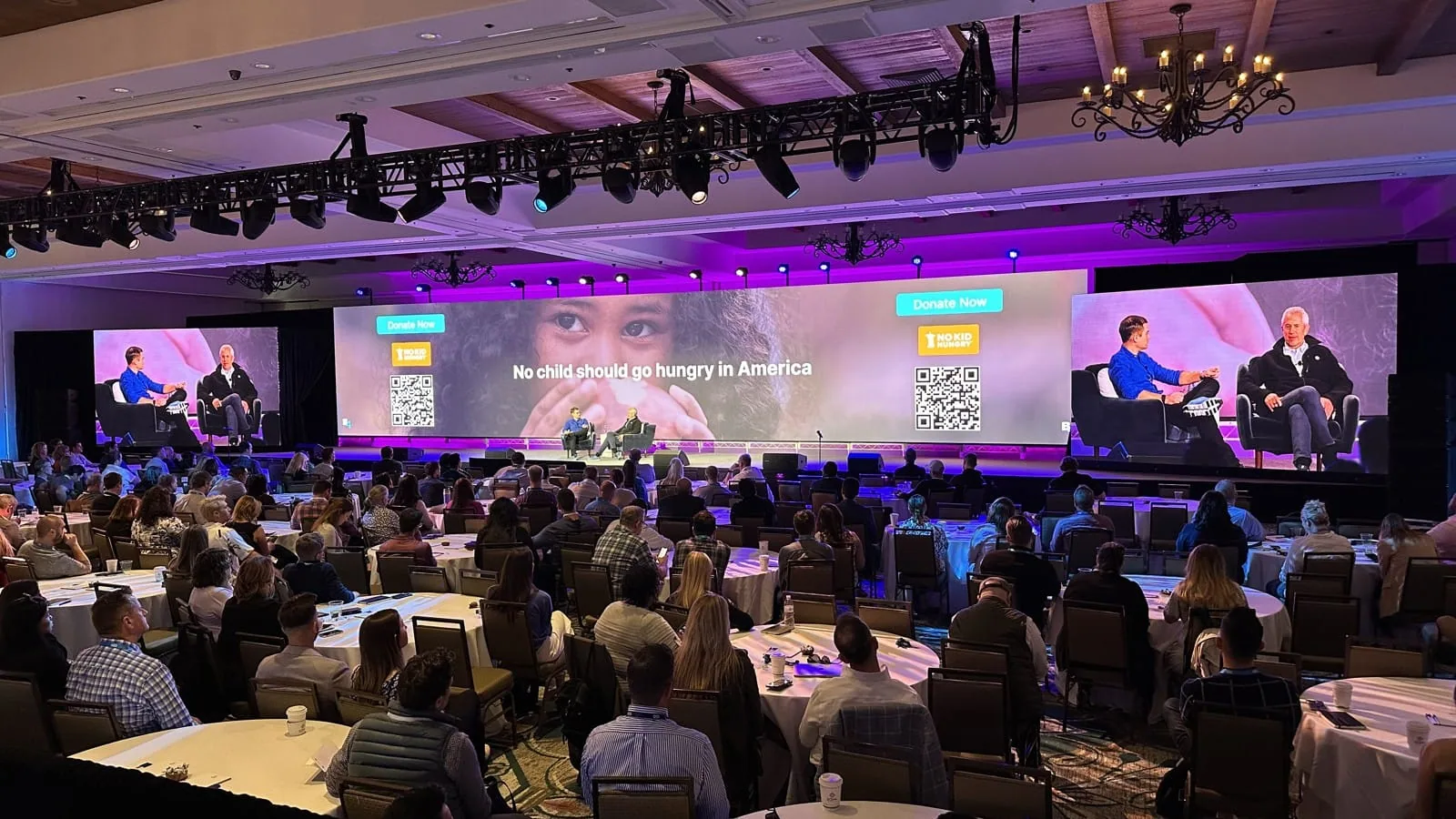
If you've done the preparation right, event day is about managing people, not troubleshooting technology. Your production partner handles:
- Audio levels for every speaker (each voice is different, each needs adjustment)
- Lighting cues timed to the program flow
- Video switching for IMAG and streaming
- Network monitoring for bandwidth and connectivity
- Breakout room AV management
- Real-time problem solving (speaker laptop won't connect, session runs long, room change request)
Your job: be the host. Greet attendees. Manage speakers. Handle stakeholder communications. Let the technical team be invisible.
Post-Event: The Part Everyone Forgets
Day After: Strike and Debrief
- Strike: Production crew de-rigs and loads out (usually 4-8 hours depending on complexity)
- Hot debrief: 30-minute call with core team while everything is fresh. What worked? What didn't? What changes for next time?
Week After: Deliverables and Follow-Up
- Attendee survey: Send within 24-48 hours while the experience is fresh
- Video deliverables: Confirm timeline with production partner (usually 5-10 business days for edited content)
- Thank you notes: Speakers, sponsors, venue contacts, vendor partners
- Budget reconciliation: Final invoice review against original budget
- Recap report: Attendance numbers, survey results, content performance, ROI metrics
Month After: Planning for Next Year
If the conference is recurring, lock your venue date and core vendors NOW while the relationship is warm and the dates are open. Re-booking for next year is 10x easier the month after a successful event than it is 6 months later when everyone's forgotten the details.
The best conferences don't feel planned. They feel inevitable. That only happens when every detail was handled months before the first attendee walks in.
Why SoCal
Year-round outdoor reception weather, three major airports (LAX, SNA, LGB), and ultra-luxury to convention-scale venues all within 30 minutes of each other. Pelican Hill, Hotel Irvine, Hyatt Regency OC all fit different needs and budgets. Plus, built-in post-conference entertainment (beaches, wine country, golf) makes attendees happy to extend their trip.
Further Reading
Planning a Conference in SoCal?
We produce 50+ corporate conferences a year in Orange County. Happy to share venue notes, production timelines, or just answer questions. No obligation.
Let's Talk →